What Is Dry Needling?
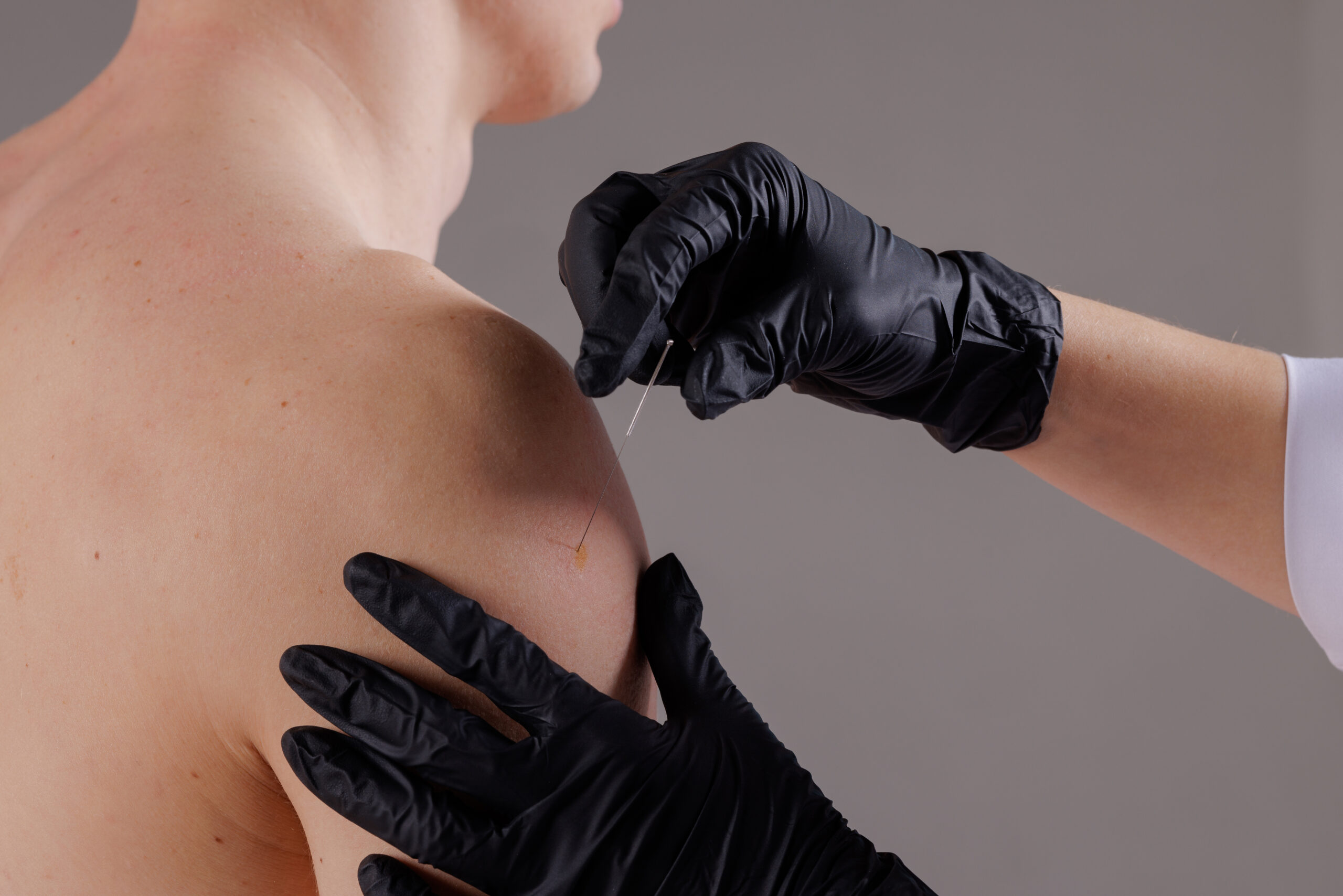
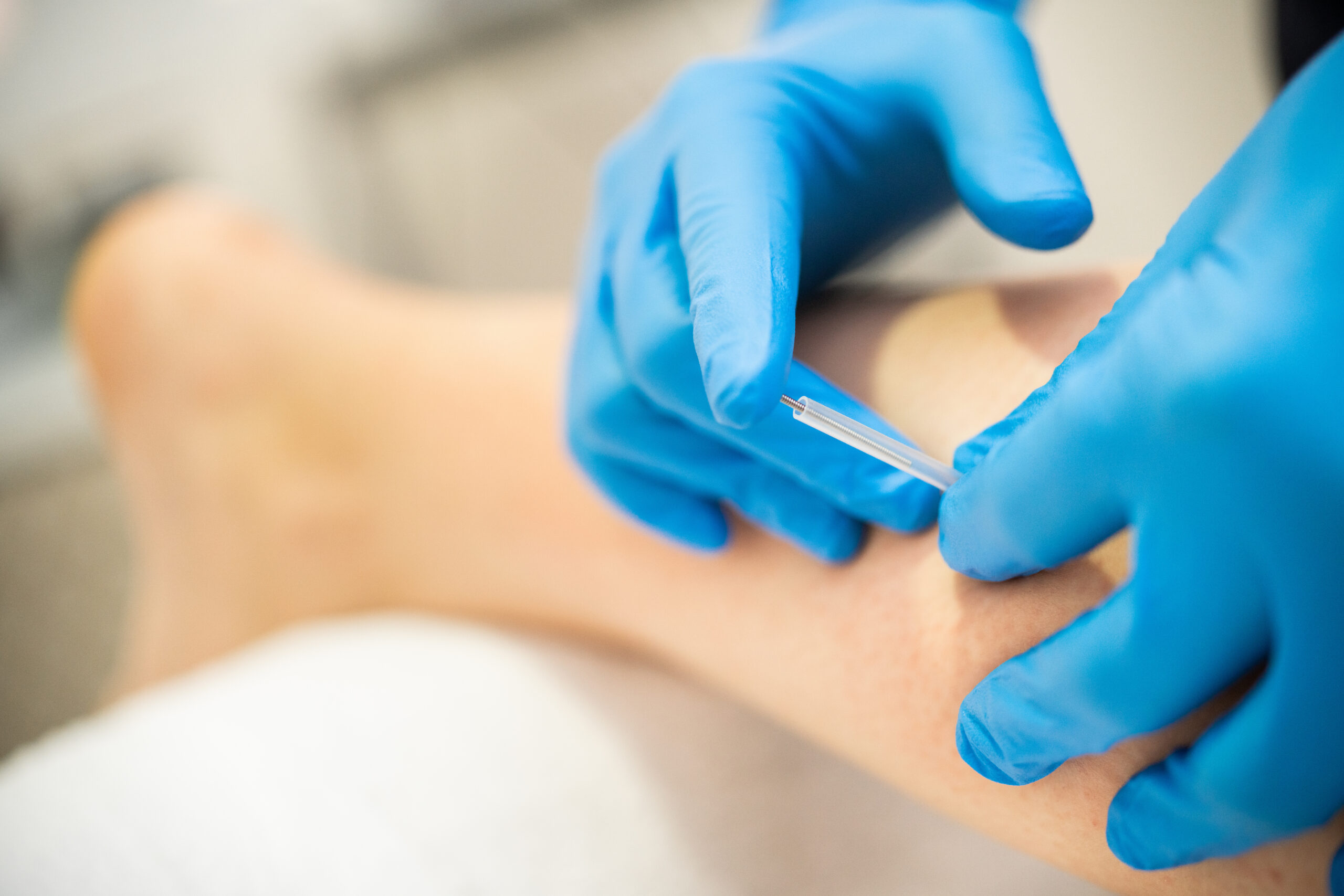
Dry needling is a highly effective treatment used to address muscle tension, movement restrictions, and pain. It involves the precise placement of a thin, sterile needle into specific areas of muscle known as trigger points—tight, sensitive bands of tissue that can contribute to discomfort, stiffness, and reduced function.
Despite the name, no medication or substance is injected during the procedure. The goal is to stimulate the affected tissue, encourage a healing response, and help restore normal muscle function.
How Does Dry Needling Work?
When muscles become overworked, injured, or stressed, they can develop areas of tightness that limit mobility and create pain patterns. Dry needling targets these dysfunctional tissues directly.
The insertion of the needle can help:
- Reduce muscle tension
- Improve circulation to the affected area
- Decrease pain signals
- Restore normal movement patterns
- Promote the body’s natural healing processes
Many patients experience a noticeable release in muscle tightness during treatment, followed by improved flexibility and reduced discomfort.
Who Can Benefit From Dry Needling?
Dry needling is commonly used for athletes and active individuals, but it can also benefit anyone dealing with muscular pain or movement limitations.
Conditions that may respond well to dry needling include:
- Neck and back pain
- Shoulder injuries
- Hip and gluteal tightness
- Tennis elbow and golfer’s elbow
- Headaches related to muscle tension
- Sciatica and nerve irritation
- Muscle strains
- Chronic overuse injuries
- Sports-related injuries
Whether you’re training for competition, recovering from an injury, or simply trying to move more comfortably, dry needling can be an effective part of your treatment plan.
What Does Treatment Feel Like?
Most patients tolerate dry needling very well. The needles used are extremely thin, much smaller than those used for injections or blood draws.
During treatment, you may feel a brief muscle twitch, mild ache, or sensation of pressure within the muscle. These responses are often considered positive indicators that the targeted tissue is being addressed.
After treatment, it is common to experience mild soreness for 24 to 48 hours, similar to the feeling after a challenging workout.
Dry Needling as Part of a Complete Treatment Plan
Dry needling is rarely a stand-alone solution. At Progressive Spine & Rehab Center, it is integrated with a comprehensive approach that may include chiropractic care, soft tissue therapy, corrective exercise, mobility training, StemWave and lifestyle changes.
By combining these therapies, we can address not only the symptoms but also the underlying movement patterns and mechanical stresses that contribute to pain and injury.
Why Athletes Choose Dry Needling
Athletes often seek dry needling because it can help them recover more efficiently, improve movement quality, and return to training with greater confidence. Tight muscles can limit performance, alter biomechanics, and increase the risk of injury. By restoring normal muscle function, dry needling can play a valuable role in both recovery and performance optimization.
Is Dry Needling Right for You?
Every patient is different. A thorough examination is essential to determine whether dry needling is appropriate for your condition and goals. If muscle dysfunction, trigger points,
or movement restrictions are contributing to your symptoms, dry needling may be an effective addition to your care plan.